
When coming up with renovation ideas, many homeowners focus on the flooring, paint colors, fixtures, and appliances. But one of the most important decisions is made behind the walls which plumbing pipes to use. Your home’s water quality, upkeep expenses, longevity, and general plumbing efficiency can all be affected for decades by the type of piping you install.
These days, PEX and copper are two of the most often used plumbing materials. Both offer special benefits and possible disadvantages, so homeowners may find it difficult to decide. Understanding how these materials differ from one another will help you choose the best choice for your repair project.
What Are Pipes Made of Copper?
What Are Copper Pipes?
For over 50 years, copper pipes have been a reliable plumbing material. They are strong, long-lasting, and resistant to bacteria because they are constructed of metal. For many years, copper piping has been the most common choice for both residential and commercial plumbing systems.
Advantages of Copper Pipes
- Exceptional durability and long lifespan
- Resistant to UV rays
- Can handle extremely high temperatures
- Naturally inhibits bacterial growth
- Recyclable and environmentally friendly
- Adds perceived value to a home
Disadvantages of Copper Pipes
- Higher material and installation costs
- Requires soldering and specialized skills
- Susceptible to corrosion in certain water conditions
- Can freeze and burst in extremely cold temperatures
Cross-linked polyethylene, or PEX, is a type of flexible plastic pipe that is currently in use in modern plumbing systems. Both homeowners and plumbers love it because of its adaptability and simplicity of installation.
Advantages of PEX Pipes
- Lower material costs
- Faster and easier installation
- Flexible and easy to route through walls
- Resistant to freezing and expansion
- Fewer fittings required
- Reduced risk of leaks at connection points
Disadvantages of PEX Pipes
- Cannot be exposed to direct sunlight for extended periods
- May be vulnerable to rodent damage
- Not recyclable like copper
- Some homeowners prefer traditional metal plumbing systems
Cost Comparison: Copper vs. PEX
Cost is an important factor for the majority of homeowners when choosing plumbing materials.
In terms of both labor and materials, copper pipes are substantially more costly than PEX. Labor expenses are typically greater since installing copper includes cutting, fitting, and soldering.
In general, PEX plumbing is less expensive. Because of its ability to change, installation times are simplified, which reduces labor expenses. Homeowners can frequently save thousands of dollars by choosing PEX over copper for large repiping projects.
Winner: PEX
If budget is your primary concern, PEX is usually the more cost effective option.
Durability and Lifespan
Both copper and PEX offer impressive durability, but their longevity differs based on environmental conditions.
Copper pipes can last 50 years or longer when properly maintained. However, corrosive water conditions may shorten their lifespan.
PEX pipes typically last 40 to 50 years and are resistant to scale buildup and corrosion. They also perform better in freezing temperatures because they can expand without cracking.
Winner: Tie
Both materials provide excellent long term durability when installed correctly.
Installation and Renovation Convenience
Home renovation projects often involve opening walls, ceilings, and floors. The ease of installation can significantly impact project timelines.
Copper requires precise cutting, soldering, and fitting. This process is labor intensive and generally takes longer.
PEX is flexible and can snake through walls with minimal disruption. Its installation process is faster, making it ideal for remodeling projects.
Winner: PEX
For renovation convenience and speed, PEX has a clear advantage.
Water Quality Considerations
Copper is naturally resistant to bacterial growth and has been used safely for decades. Many homeowners appreciate the fact that copper does not contain plastic materials.
PEX is considered safe for drinking water and meets modern plumbing standards. However, some homeowners may notice a temporary taste or odor shortly after installation.
Winner: Copper
Copper has a long standing reputation for maintaining excellent water quality.
Performance in Cold Climates
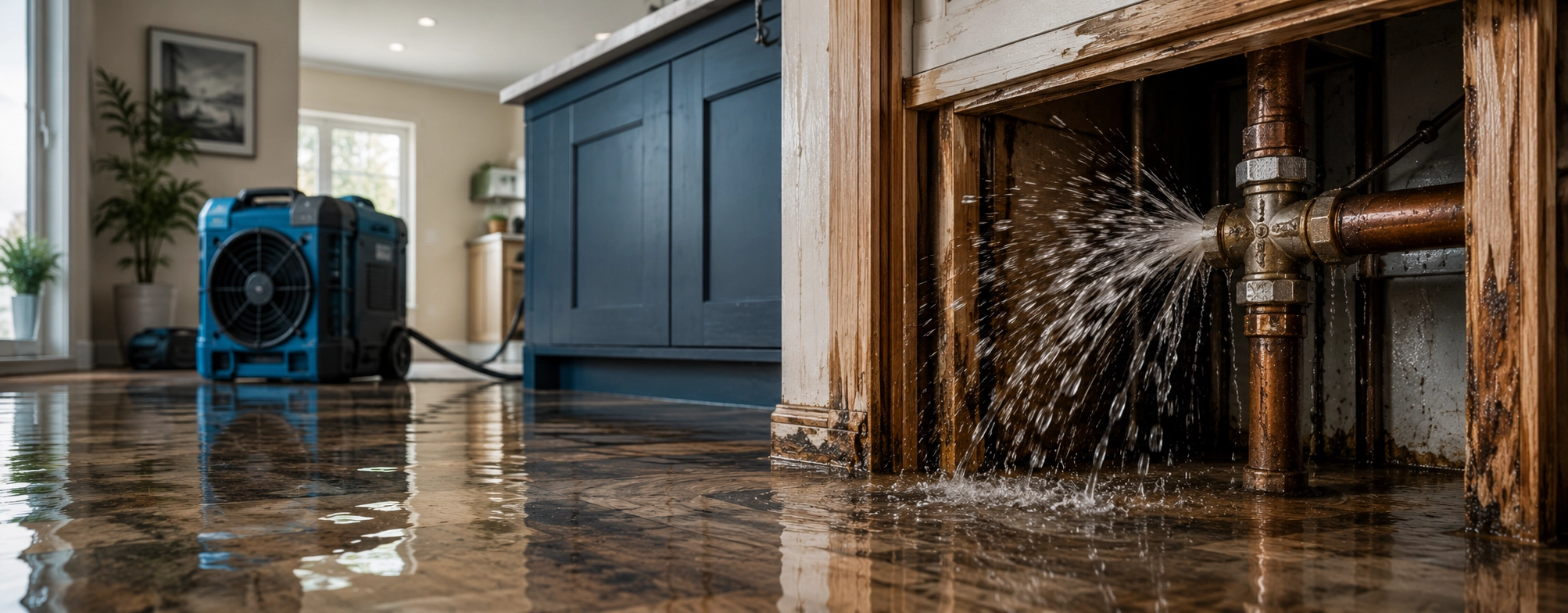
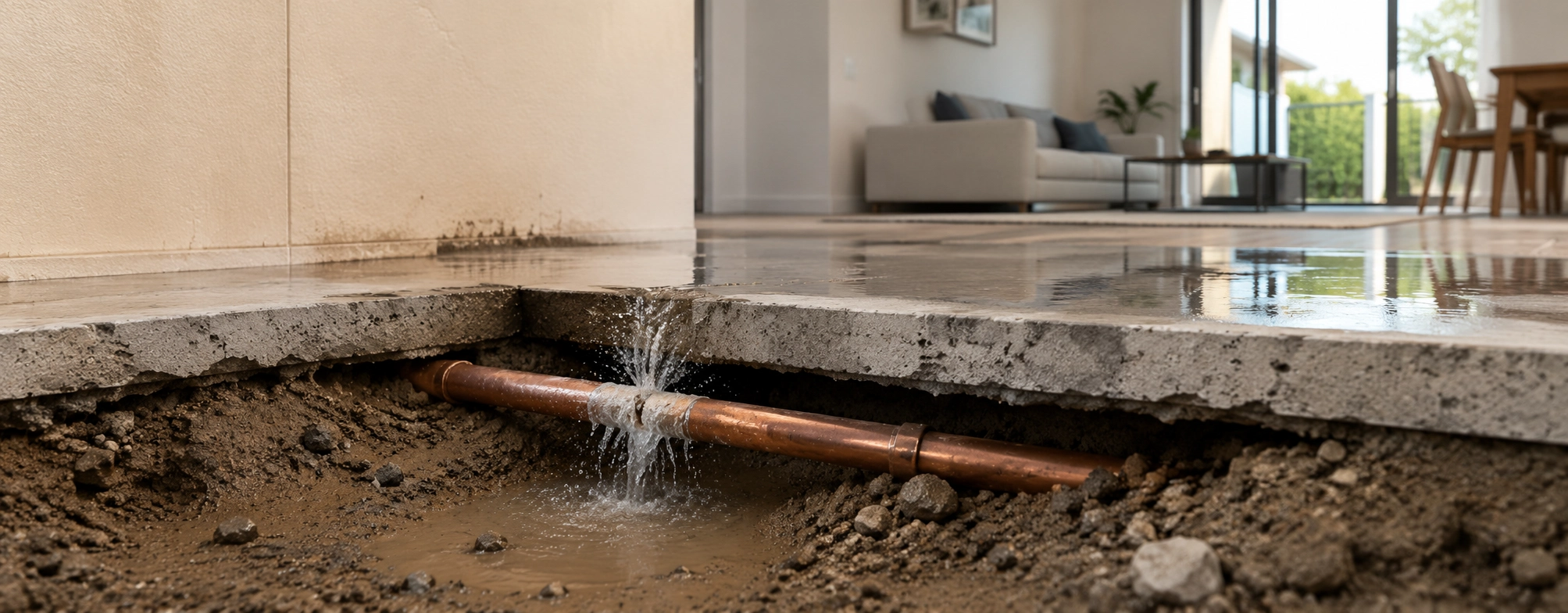
Frozen pipes can cause significant water damage and costly repairs.
Copper pipes are more likely to burst when water freezes inside them.
PEX pipes can expand during freezing conditions and return to their original shape after thawing, reducing the risk of rupture.
Winner: PEX
Homes located in colder climates often benefit from PEX plumbing systems.
Environmental Impact
Copper is one of the most recyclable plumbing materials available. It can be reused multiple times without losing quality.
PEX requires less energy to manufacture and transport but is more difficult to recycle.
Winner: Depends on Priorities
PEX may have a smaller production footprint, but copper is more recyclable.
When Should You Choose Copper?
Copper may be the better option if:
- You want a premium plumbing system
- Long term durability is your highest priority
- Your pipes will be exposed to sunlight
- You prefer traditional building materials
- Budget is not a primary concern
When Should You Choose PEX?
PEX may be the better option if:
- You want to reduce renovation costs
- You need faster installation
- Your home is located in a cold climate
- You are repiping an entire house
- Flexibility and ease of installation are important
Can Copper and PEX Be Used Together?
Yes. In many modern plumbing systems, PEX and copper piping are combined together. Plumbers can securely and efficiently join both materials using special transition fittings.
The positive aspects of both systems are frequently offered by this hybrid technique while maintaining reasonable expenses.
Final Verdict
When choosing between copper and PEX pipes, there isn’t a single right answer. Copper is still a high-end choice because of its long-term dependability, water purity, and durability. PEX is perfect for many restoration projects since it is cheap, flexible, and easy to install.
PEX is frequently the best option for most homeowners who want to strike a balance between cost and performance. However, copper can be worth the investment if you value strength, recyclability, and common plumbing materials.
Finding the ideal plumbing system for your home’s needs, price, and local building regulations can be helped by speaking with an expert plumber.
FAQs
Is PEX better than copper for home plumbing?
PEX is generally better for affordability, flexibility, and installation speed. Copper may be better for longevity, UV resistance, and water quality.
How long do PEX pipes last compared to copper?
PEX pipes typically last 40 to 50 years, while copper pipes can last 50 years or more under ideal conditions.
Can PEX pipes be used for hot water lines?
Yes. PEX is designed to handle both hot and cold water applications and is commonly used in residential plumbing systems.
Are copper pipes safer for drinking water?
Copper has a long history of safe use in drinking water systems and naturally resists bacterial growth. Both copper and certified PEX are considered safe when installed properly.
Which pipe material is more affordable to install?
PEX is usually less expensive due to lower material costs and reduced labor requirements.
Do PEX pipes freeze and burst?
PEX pipes can freeze, but they are less likely to burst because they can expand when water freezes inside them.
Can I replace copper pipes with PEX during a renovation?
Yes. Many homeowners replace aging copper systems with PEX during remodeling or whole home repiping projects.
Does PEX reduce water pressure?
When installed correctly, PEX should not noticeably reduce water pressure. Proper sizing is important to maintain optimal performance.
Are copper pipes worth the extra cost?
Copper pipes may be worth the investment for homeowners seeking maximum durability, UV resistance, and a traditional plumbing system.
What is the best plumbing pipe material for modern homes?
PEX is often considered the best overall option for modern homes because of its affordability, flexibility, and ease of installation.
Can copper and PEX pipes be connected together?
Yes. Licensed plumbers commonly use approved fittings to connect copper and PEX piping within the same plumbing system.
Which pipe material adds more value to a home?
Copper is often viewed as a premium plumbing material and may appeal to some buyers, while PEX is valued for its modern performance and efficiency.