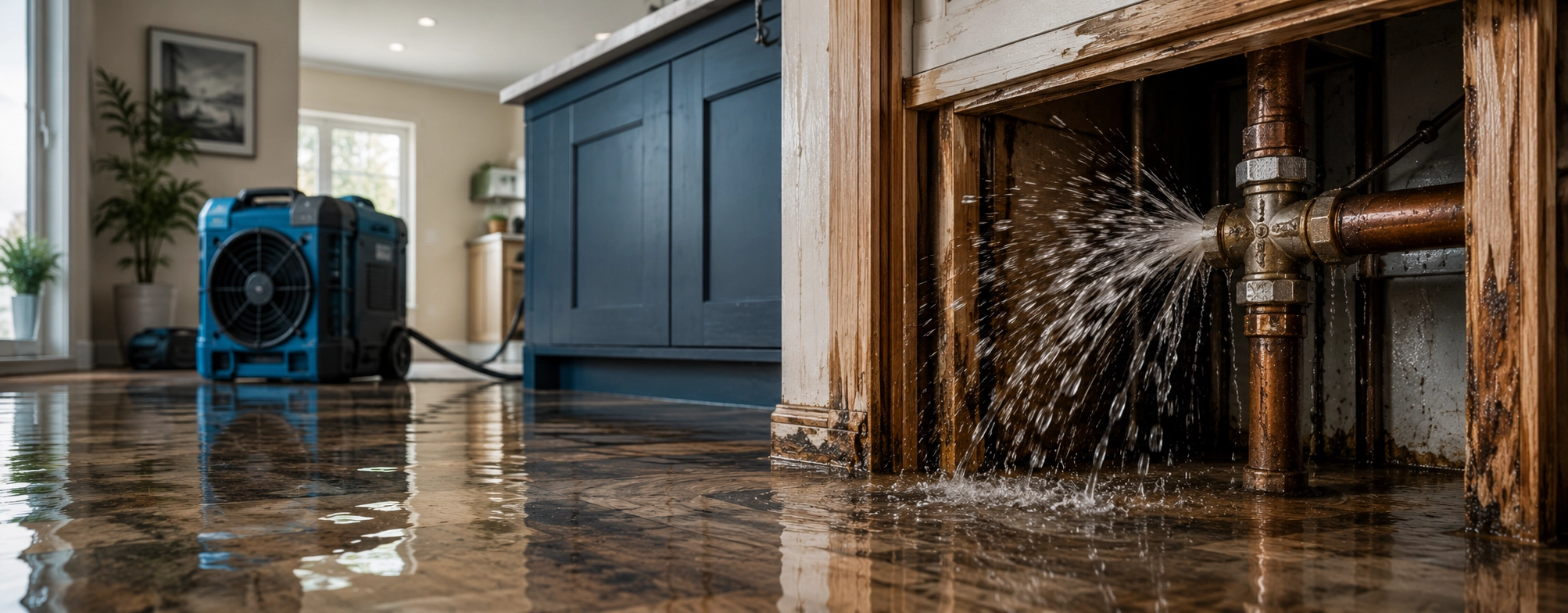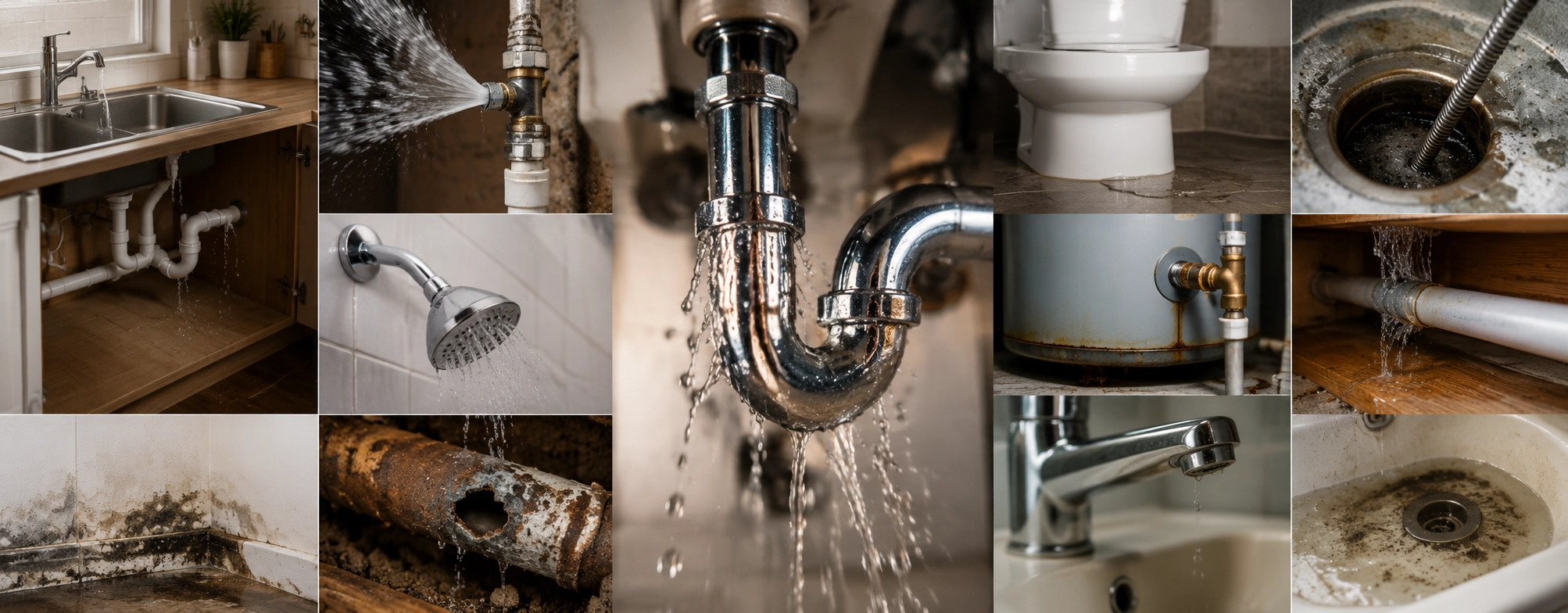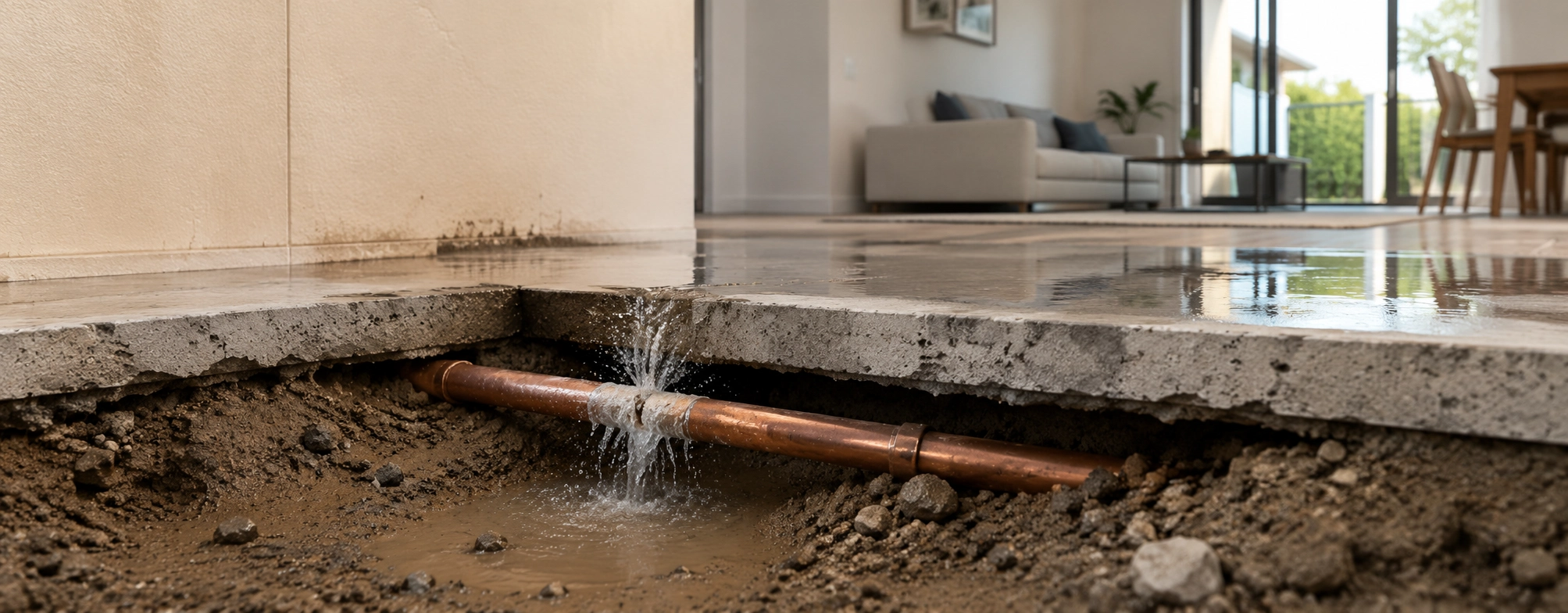

Few household disruptions are as frustrating as stepping into a shower only to be blasted by ice-cold water. When your system continuously breaks down, frantically searching for an emergency plumber near me becomes an all-too-familiar routine. While a sudden breakdown might seem to happen out of nowhere, repeat failures are rarely a mystery; water heaters operate under continuous heat, high pressure, and mineral exposure that wear down internal components over time. Whether you need a trusted technician from the best plumbers near me to replace worn parts or a specialized leak detection company near me to catch hidden moisture before it causes major water damage, understanding why your unit keeps failing is the first step toward a lasting solution.
Excessive Sediment Buildup at the Bottom of the Tank
Sediment is the leading cause of premature water heater failure, especially in regions with hard water. As municipal or well water is heated, minerals like calcium and magnesium naturally separate and settle at the bottom of the storage tank.
- The problem: This mineral layer creates a dense barrier between the burner or heating element and the water above it. The water heater has to run longer and hotter to heat the water, causing the bottom of the tank to overheat and the metal to fatigue.
- The symptoms: Rumbling, popping, or crackling noises during heating cycles, along with inconsistent water temperatures and higher energy bills.
A Depleted Anode Rod Leading to Corrosion
Every tank-style water heater contains a sacrificial anode rod—a long metal rod suspended inside the tank. Its sole job is to attract corrosive elements in the water so they attack the rod instead of the tank’s steel lining.
- The problem: Anode rods usually last three to five years before they fully degrade. Once the rod is completely dissolved, those same corrosive elements turn their attention to the internal tank walls, rusting the unit from the inside out.
- The symptoms: Rusty or discolored hot water, metallic tastes, or small pinhole drips forming around the base of the unit.
High Household Water Pressure and Thermal Expansion
Water heaters are built to operate within strict pressure thresholds, typically between 40 and 60 PSI. If your home’s main water line pressure is too high, it puts extreme stress on the tank, supply lines, and internal valves.
- The problem: As water heats up, it expands (thermal expansion). If your plumbing system lacks a functioning thermal expansion tank or pressure-reducing valve, the rising pressure can strain internal seals, trip the temperature and pressure (T&P) relief valve, or crack the tank itself.
- The solution: If you notice pooling near the discharge pipe, search for a certified leak detection company near me to evaluate your home’s pressure levels and inspect for hidden leaks before a pipe or fitting ruptures completely.
Electrical Component and Thermostat Issues
For electric water heaters, recurring failure often comes down to faulty electrical connections, burned-out heating elements, or defective thermostats.
- The problem: Scale buildup on an electric heating element causes it to overheat and burn out. Alternatively, a failing upper or lower thermostat can misread the water temperature, tripping the high-limit safety switch (the red reset button) repeatedly.
- The symptoms: You continually have to reset your circuit breaker or safety switch, or you get sporadic bursts of lukewarm water followed by cold water.
Age and Incorrect Unit Sizing
Standard tank water heaters have an average lifespan of 8 to 12 years. If your unit is approaching or past its decade mark, internal wear and tear will naturally cause parts to fail in rapid succession. Furthermore, if your water heater is undersized for your family’s daily hot water consumption, it will run constantly to keep up with demand, drastically shortening its lifespan.
What Should You Do Next?
If you are dealing with a recurring leak, tripping breakers, or constant icy showers, searching for the best plumbers near me is the fastest way to get a clear diagnosis. A qualified technician can flush accumulated sediment, replace worn anode rods, or install necessary pressure-regulating valves.
If your tank is actively leaking or has reached the end of its useful lifespan, do not hesitate to reach out to an emergency plumber near me to isolate the unit, prevent catastrophic flooding, and recommend a modern, energy-efficient replacement.
Here is a focused, conversion-optimized FAQ section designed for your website or city landing pages:
Frequently Asked Questions
1. What should I do immediately if I have a plumbing emergency?
First, shut off your main water supply valve to stop active flooding. Next, turn off electricity to affected areas if water is near outlets or appliances. Drain remaining water by opening your lowest faucets, then call a professional emergency plumber right away to assess and fix the issue.
2. How much does an emergency plumbing service call cost?
Emergency service costs depend on the severity of the issue, required parts, and labor. At SoCal Elite Plumbing, we provide clear, upfront estimates after evaluating the problem on-site, so you know the exact cost before any work begins—with no hidden surprises.
3. Should I repair or replace my water heater?
If your water heater is under 8 years old and has a minor issue (like a bad thermostat or valve), a repair is usually the best choice. However, if the tank itself is leaking, rusty water is coming from your taps, or the unit is over 10 years old, replacing it with a modern, energy-efficient model will save you money in the long run.
4. How can I tell if I have a hidden water leak in my home?
Common signs of a hidden leak include unexplained spikes in your water bill, warm spots on your floor, damp drywall, musty odors, or the sound of running water when all faucets are turned off. If you notice any of these signs, professional leak detection equipment can pinpoint the exact location without tearing up your home.
5. Why is my water pressure suddenly low?
Sudden drops in water pressure are often caused by hidden pipe leaks, severe drain clogs, a failing pressure regulator, or mineral buildup inside aging pipes. A licensed plumber can test your system’s PSI and clear or repair the line quickly.
6. Are your plumbers licensed and insured?
Yes. SoCal Elite Plumbing is fully licensed, bonded, and insured (Lic. # 135179). Our team adheres strictly to California building codes and safety regulations to protect your home and investment.