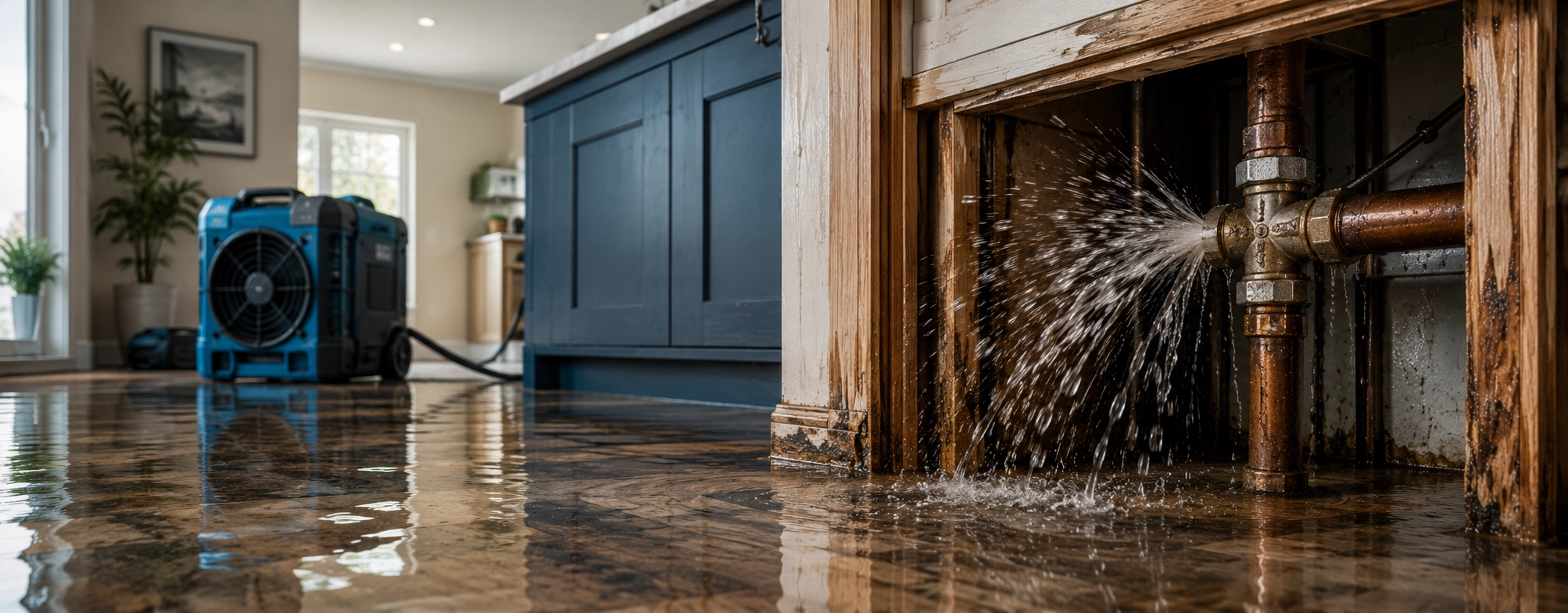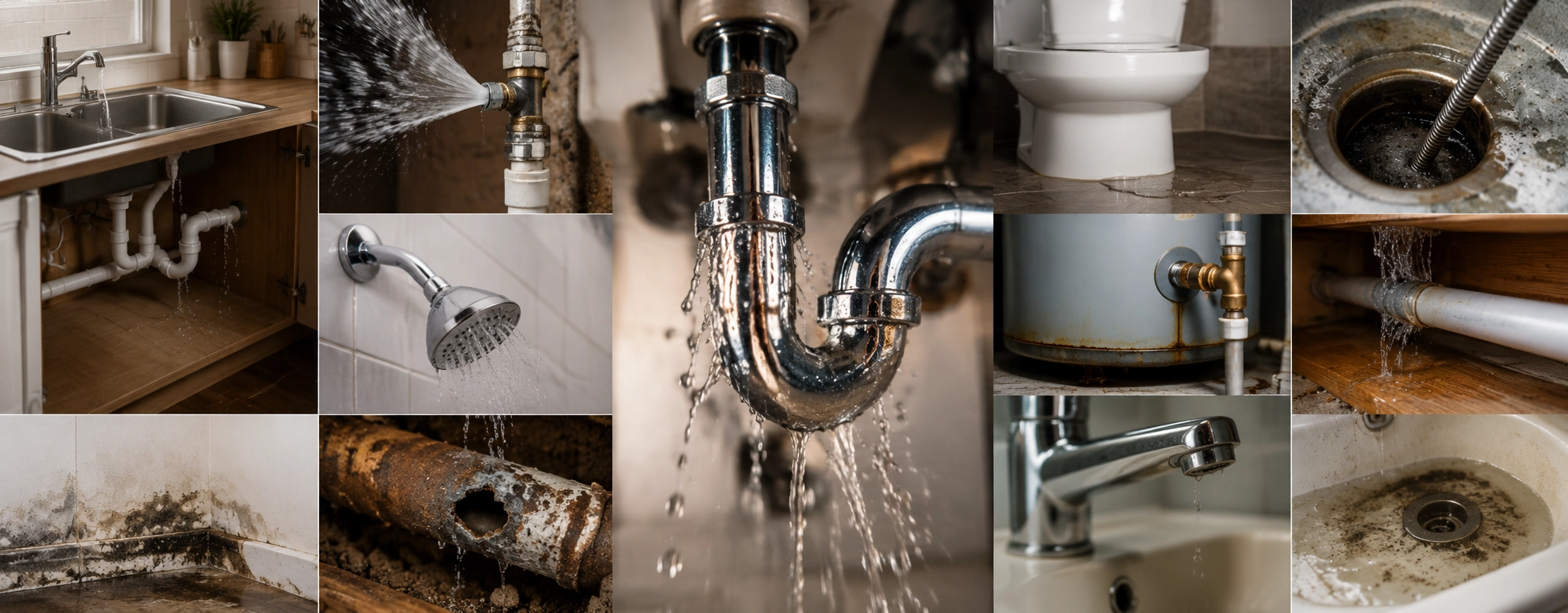

The plumbing system in your house talks to you. The issue is that until they are standing ankle-deep in water, the majority of homeowners have no idea how to listen. On the surface, little Plumbing Problems appear to be insignificant, inexpensive annoyances, but they are frequently the earliest indicators of more serious, costly system failures.
Early detection of these warning indicators can save you thousands of dollars on emergency service fees, mold removal, and structural restoration.It’s important to take quick action and find a reputable expert in plumbing repair in your area if you observe any of the ten plumbing issues listed below before things go out of control.
1. The Endless Running Toilet
Even though a toilet that runs constantly after flushing can seem like a minor irritation, a broken fill valve or decaying flapper can waste up to 200 gallons of water every day. Your monthly water bill will quickly increase as a result of this quiet issue.
2. A Drastic Drop in Water Pressure
It’s not only annoying if your showerhead suddenly becomes a faint trickle. A significant rupture in your main supply line or a serious hidden breach behind your walls may be the cause of a widespread decline in water pressure across several faucets.
3. Sluggish Drains Across the House
A single slow sink drain usually suggests the P-trap has become blocked with hair or soap scum. However, if your kitchen sink, shower, and guest bathroom toilet are all draining slowly at the same time, you most likely have an urgent main sewage line obstruction that requires skilled rooter assistance.
4. A Banging, Knocking Water Heater
When hard-water minerals drop to the bottom of your water heater tank, they bake and harden into a thick sediment crust. Steam bubbles burst through this crust, producing loud popping or knocking sounds. If this silt is not removed, the tank framework may become overheated and eventually crack, flooding your home.
5. Persistent Sewage or Foul Smells
The purpose of your plumbing traps is to prevent sewage gasses from entering your home. You might have a broken subterranean line or a clogged vent stack if your kitchen or bathroom starts to smell like sewage or rotten eggs. There is a significant risk to biological health from this.
6. Mysterious Warm Spots on the Floor
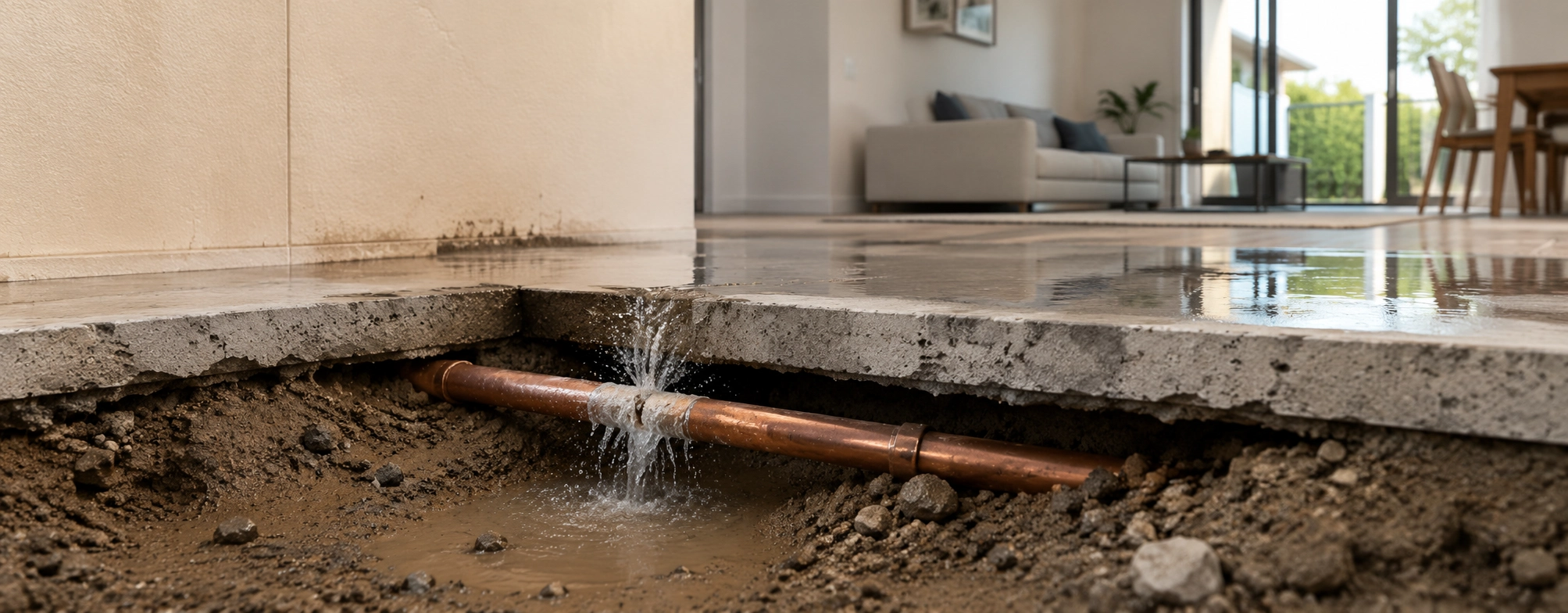
You probably have a slab leak if you walk barefoot across a strangely warm area on your tile or linoleum floor. This occurs when a hot water line breaks right beneath the concrete foundation of your house, necessitating the need of specialist electronic tracking equipment to fix it.
7. Discolored or Rusty Water
When the tap is turned on, the water should always be crystal clear. If the stream is rusty, brown, or yellow, your water heater is most likely rotting or your pipes are corroding from the inside out.This degrades the metal and creates the conditions for an unexpected pipe blow-out.
8. Unexplained Soggy Spots in the Yard
If a portion of your grass is muddy, mushy, or particularly lush even if it hasn’t rained in days, your basement main water pipe or sewer lateral has burst. Shifting soil can quickly compromise nearby walkways and attract invasive tree roots that destroy your pipes completely.
9. Warped Drywall or Peeling Paint
There is always a track left by water. If your baseboards sag, your wallpaper starts to peel off, or dark mildew patches show up on the ceiling, you have an active pinhole leak. Because dangerous mold grows within 24 to 48 hours of being exposed to water, this requires immediate professional treatment.
10. Gurgling or Bubbling Toilets
If the toilet bowl begins to gurgle or bubble when you turn on the bathroom sink faucet, your system is choking on air.A high waste line problem is indicated by this negative air pressure, which will eventually force raw wastewater backward into the lowest bathrooms and showers in your home.
Don’t Wait for a Plumbing Disaster
Plumbing problems never go away on their own; the longer they are ignored, the more costly and dangerous they become. Structural damage is frequently improved when difficult infrastructure problems are attempted to be resolved with do-it-yourself repair kits or high chemical drain cleaners.
The moment you notice any of these ten red flags, save yourself the stress and expense of an overnight emergency. Take a moment to search for a highly rated emergency plumber near me or a specialist in local plumbing repair near me to get an expert on the scene. Early detection of the problem keeps your house secure, your finances steady, and your plumbing functioning properly.
FAQs
1. What are the most common signs that I need plumbing repair?
Some of the most common warning signs include a running toilet, low water pressure, slow drains, foul odors, discolored water, water stains on walls or ceilings, and unusual noises coming from your plumbing system. Addressing these issues early can help prevent costly repairs and water damage.
2. When should I call an emergency plumber?
You should call an emergency plumber immediately if you experience a burst pipe, sewer backup, major water leak, overflowing toilet, no water supply, or any plumbing issue that could cause significant property damage or health risks. Quick action can help minimize damage and repair costs.
3. Why is my water pressure suddenly low throughout the house?
A sudden drop in water pressure across multiple fixtures may indicate a hidden leak, a damaged water supply line, pipe corrosion, or a problem with the municipal water supply. A professional plumber can identify the cause and recommend the appropriate repair.
4. What causes gurgling sounds in toilets and drains?
Gurgling or bubbling sounds often occur when air becomes trapped in the plumbing system due to a clogged drain, blocked vent pipe, or sewer line obstruction. If left untreated, it can lead to sewage backups and more serious plumbing problems.
5. Is rusty or brown water a plumbing emergency?
Discolored water can indicate corroded pipes, sediment buildup, or a failing water heater. While it may not always require immediate emergency service, it should be inspected promptly to prevent pipe failure and maintain water quality.
6. Can a slow drain be a sign of a bigger plumbing problem?
Yes. While a single slow drain may be caused by a minor clog, multiple slow drains throughout the house often point to a blockage in the main sewer line. This issue typically requires professional plumbing repair.
7. What should I do if I notice a warm spot on my floor?
A warm spot on the floor may indicate a slab leak caused by a damaged hot water pipe beneath your home’s foundation. Contact a licensed plumber as soon as possible to locate and repair the leak before it causes structural damage.
8. Are sewage odors in my home dangerous?
Yes. Persistent sewage smells can indicate a broken sewer line, blocked vent stack, or dry plumbing trap. Sewer gases may pose health risks and should be inspected by a qualified plumbing professional immediately.
9. Can plumbing problems fix themselves over time?
No. Plumbing issues almost never resolve on their own. In most cases, they become worse and more expensive to repair if ignored. Early detection and professional service are the best ways to avoid major damage.
10. How can I find a reliable emergency plumber near me?
Look for a licensed and insured plumbing company with positive customer reviews, emergency availability, transparent pricing, and experience handling urgent plumbing repairs. Choosing a trusted local plumber can ensure fast and effective service when emergencies occur.