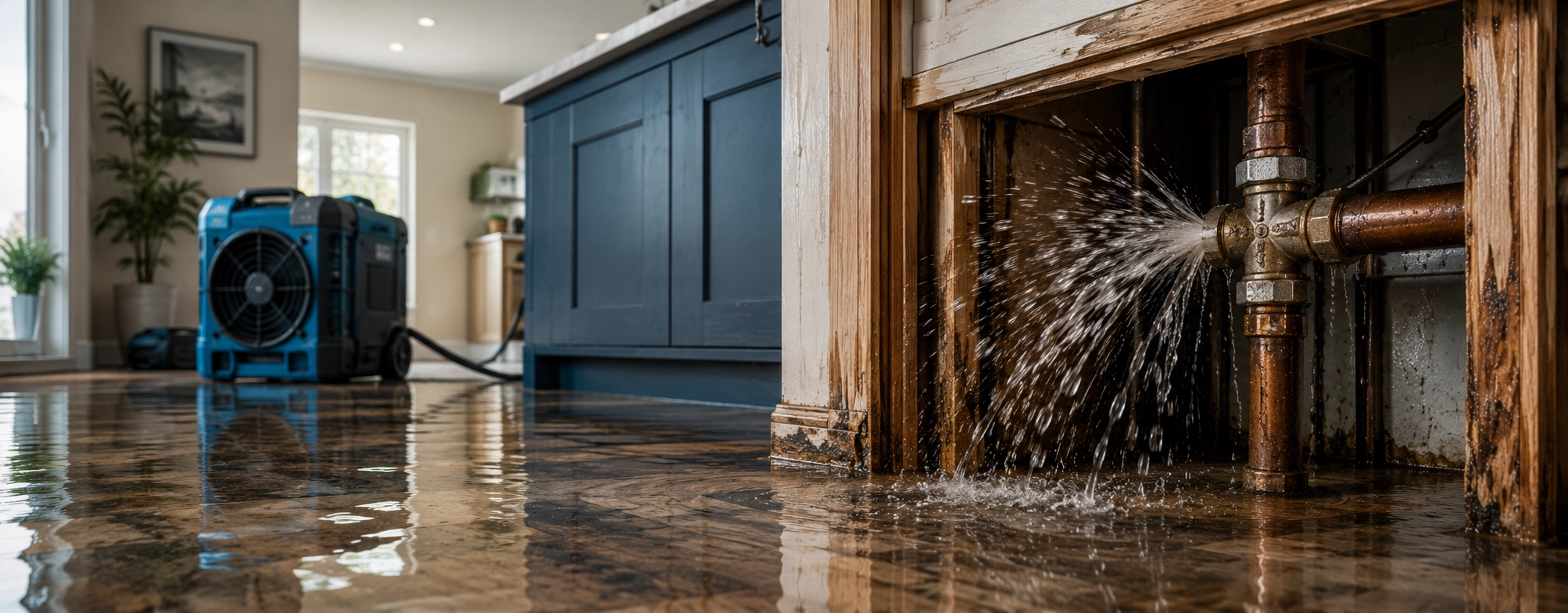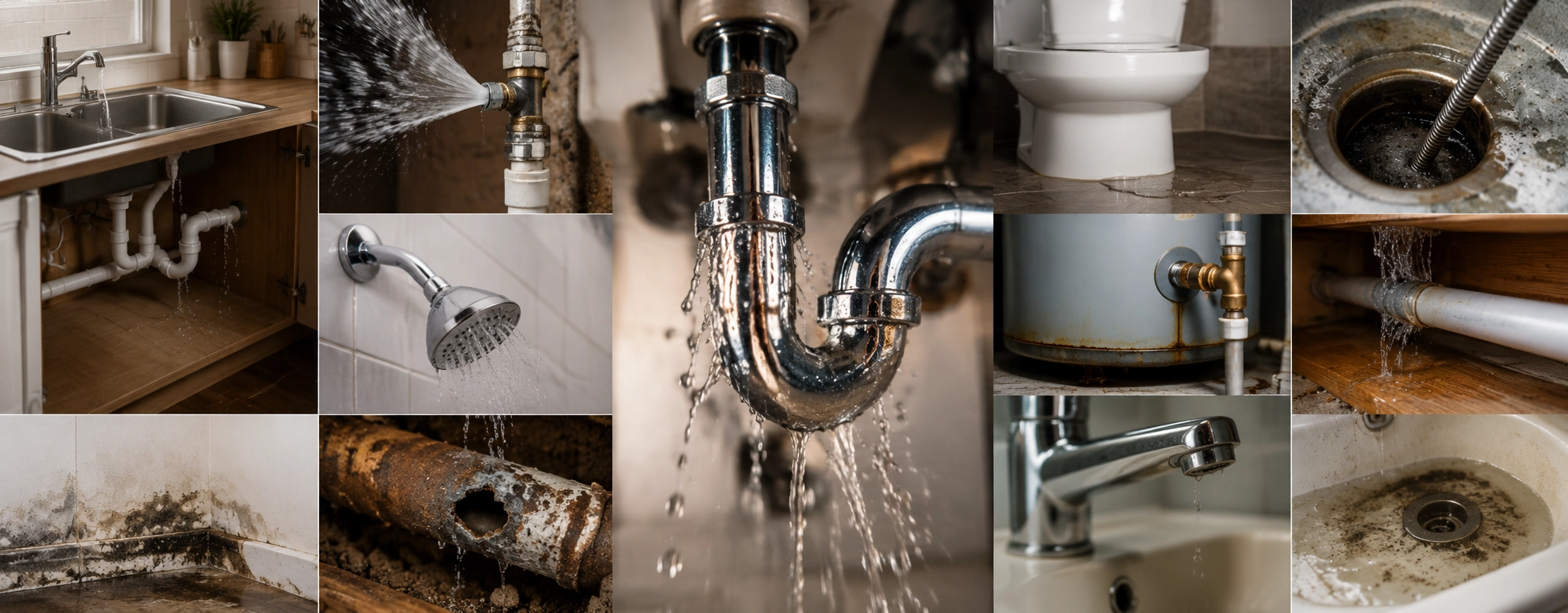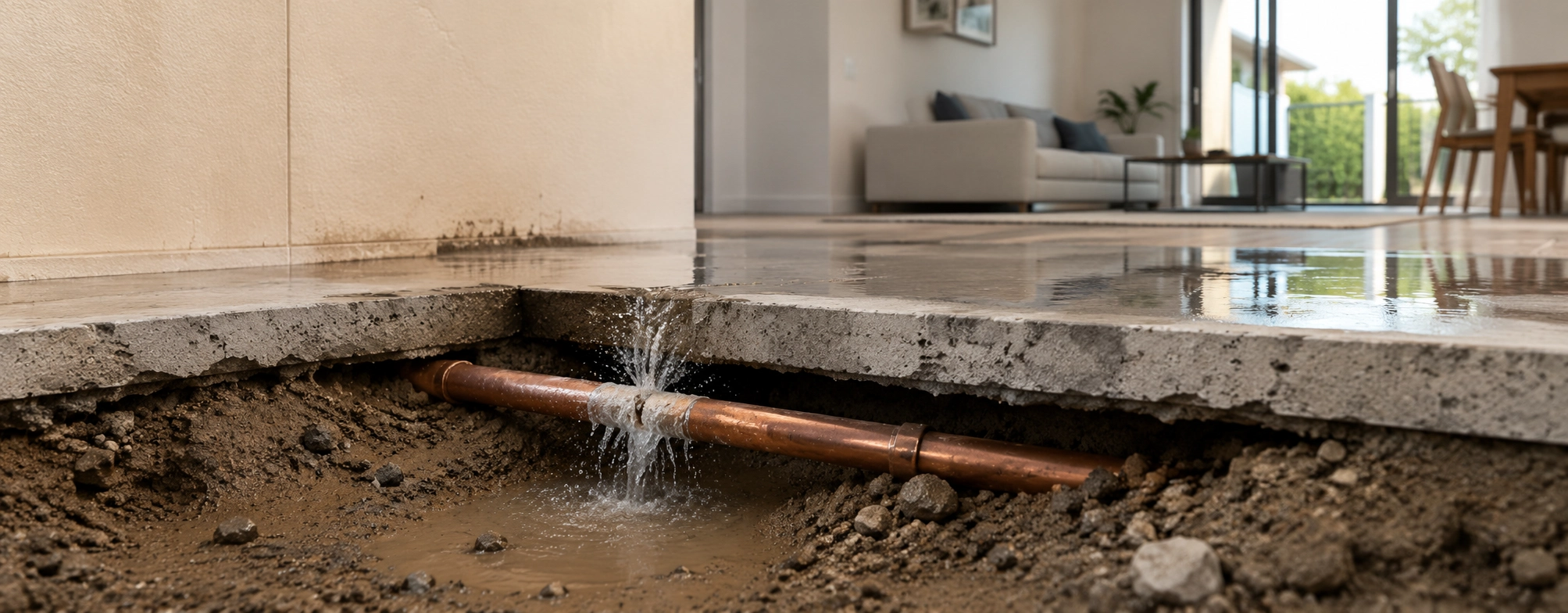

For homeowners in Southern California, the foundation of your property does more than just hold up your walls; it rests on some of the most geologically active and volatile soil in the country. Because most modern homes in Socalelite Plumbing are built on solid concrete foundations without basements, your plumbing infrastructure is buried directly underneath massive concrete slabs. When a pipe cracks or bursts underneath this concrete barrier, it results in a highly destructive issue known as a slab leak.
Recognizing the subtle warning signs of an underground leak early is crucial. Leaving a subterranean leak unaddressed can rapidly compromise your home’s structural integrity, destroy your flooring, and cost thousands of dollars in foundational repairs.
Understanding What a Slab Leak Is
A slab leak occurs when the freshwater pressure lines or wastewater drainage pipes running beneath your home’s concrete foundation rupture or corrode.
How Slab Leaks Develop Beneath Foundations
These leaks typically develop due to a combination of pipe age, friction, and chemical reactions. Over time, as hot water flows through copper pipes under the slab, the metal expands and contracts. This constant movement causes friction if the pipe is resting on rocks or uneven concrete, which eventually wears a hole through the metal. Chemical interactions between the surrounding soil and the pipe metal can also result in pinhole leaks.
Why They Are Difficult to Detect
These leaks are totally undetectable to the unaided eye since they take place beneath layers of dirt and inches of solid, reinforced concrete. Water leaks are one of the most subtle dangers to a house since they might go unnoticed for months before ever penetrating the flooring.
Why Southern California Homes Are More Vulnerable
Southern California properties face a unique combination of environmental and geological stressors that make slab leaks a frequent and costly headache for local homeowners.
Expansive Soil Conditions
High levels of clay can be found in a large portion of the soil in areas like Orange County, Los Angeles, and the Inland Empire. Like a sponge, this spacious soil swells dramatically following winter rains and contracts dramatically during hot, dry summers. The stiff pipes buried within concrete foundations are subjected to tremendous structural stress due to this ongoing displacement.
Hard Water and Pipe Corrosion
The hard water found in Southern California is infamous for being high in minerals like calcium and magnesium. These minerals create internal pitting and corrosion along the interior walls of copper pipes as the water passes through your home’s infrastructure under high pressure, which can result in early failure.
Earthquakes and Ground Movement
Seismic activity is a part of life in Southern California. Due to the frequent tremors, even micro-earthquakes, the ground is often in a state of movement and vibration. This can break joints/ties in the ground, shift structures, and cause pipes to rub against the concrete.
Signs of a Slab Leak
Before water inevitably damages your floors, there are usually a handful of indications that your home will give showing there is a leak in the plumbing.
Unexplained Increase in Water Bill
If there is a sudden, inexplicable hike in your water bill, but your daily water use has not changed, a slab leak is likely. Water is escaping somewhere.
Sound of Water
If all appliances, fixtures, and equipment in the home are turned off, are you able to hear the sound of water trickling or rushing in the walls or the floor? There is definitely an active water line leak.
Low Water Pressure
If a pipe that supplies your water breaks and the water pressure in the home is reduced, then there is a leak in the supply line.
Signs of a Slab Leak
Once water escapes the plumbing and begins to collect beneath the floor, it will eventually force its way up into the home and leave unmistakable signs.
Warm Spots on Floors
If you find a hot spot on your floors while walking barefoot, you may be standing over a ruptured hot water line.
Damp Rugs and Floors
Water will work its way up through the slab at the point of least resistance. This causes damp areas on your carpet, warped hardwood, and loose linoleum.
Musty Smells and Mold
The space beneath your flooring is dark and damp and will house a growing colony of mildew and mold. A persistent musty smell and dark mold spots on your baseboards mean you have an unresolved moisture problem.
Cracked Flooring and Tiles
The pressure caused by water below your floor will also create cracks in your flooring and make your tiles shift.
More serious problems
If a slab leak is allowed to carry on, your home will start to suffer more extensive damage to the structure beyond just the floors.
Cracked Foundations
Water erodes and creates uneven settling in the soil beneath your home. This causes uneven pressure on your slab and leads to visible cracking your concrete, both inside and outside your home.
Wall and Ceiling Damage
When a foundation shifts due to a slab leak, it forces the home’s drywall framework out of alignment. You may begin noticing cracks stretching across your drywall, doors that suddenly stick or refuse to close properly, and gaps opening up around window frames.
Risks of Ignoring a Slab Leak
A slab leak is a structural emergency that will never resolve on its own; procrastination will only lead to escalating repair costs.
Water Damage and Mold
Left unchecked, water will destroy your subfloors, ruin expensive cabinetry, and ruin drywall. Furthermore, the spread of toxic black mold behind walls presents a severe respiratory health hazard to your family.
Foundation Instability
The most severe risk of an ignored slab leak is foundation failure. Water can wash away the supporting soil beneath your home, creating a void. Without proper support, your concrete slab can sink, tilt, or crack in half, compromising the entire structural integrity of the house.
Professional Detection and Repair Options
Fixing a slab leak does not mean blindly tearing up your entire floor with a jackhammer. Modern plumbing technology allows for precision diagnostics and minimally invasive repairs.
Modern Leak Detection Technology
Professional plumbers locate leaks non-invasively using advanced technological equipment. They use digital line-tracing technology to map your plumbing grid before making a single cut, thermal imaging cameras to track hot-water plumes beneath floors, and acoustic listening devices to map the sound of rushing water underground.
Common Slab Leak Repair Methods
Once the leak is precisely located, a plumber will recommend one of three primary repair strategies based on your home’s age and pipe condition:
- Direct Spot Repair:Jackhammering opens a small, precise section of the concrete floor to cut out and replace the broken piece of pipe.
- Repiping/Rerouting:Completely abandoning the broken pipe underneath the concrete and running a brand-new, modern line up through your walls and ceilings instead.
- Pipe Epoxy Coating:For minor pinhole leaks, a technician can apply an internal epoxy lining inside the existing pipe to seal the leak from the inside out without excavation.
Preventing Future Slab Leaks
Earthquakes and soil conditions in Southern California are beyond your control, but you can take preventative measures to safeguard your plumbing lines. The severe mineral scale that leads to internal pipe corrosion is lessened by installing a home water softener system. Additionally, you can save needless stress and friction on your subterranean joints by employing a pressure-reducing valve to keep your home’s water pressure under 60 PSI.
Conclusion
The possibility of a slab leak may go unseen by Southern California homes, but it is still extremely harmful. By keeping an eye out for signs like continuously increasing water bills, warm spots on the floor, or soft sounds of running water, you may be able to address the issue before it results in serious structural damage. If you suspect an underground leak, don’t be hesitant to contact a plumbing company that has used the proper detecting techniques to safeguard your investment.
FAQs
How much does it cost to fix a slab leak in California?
The cost varies greatly depending on the detection difficulty and the repair method. A simple spot repair or single-line reroute can cost anywhere from $1,500 to $4,000, while a complete home repiping project can range significantly higher.
Does California homeowners insurance cover slab leaks?
In most cases, standard homeowners insurance covers the cost of
tearing out and repairing
the physical structural damage caused by the water (like replacing ruined drywall or flooring), but it often does not cover the plumbing repair cost of fixing the actual pipe itself unless you have a specific plumbing endorsement.
How long do you have to fix a slab leak?
You should address a slab leak immediately upon discovery. Structural water damage and mold growth can begin within 24 to 48 hours, and foundation settling can occur shortly thereafter if the soil erodes.