
Understanding Plumbing Emergencies
Most plumbing emergencies occur at the worst times. One moment, things are normal, and the next moment, a pipe is bursting. It can often feel like your home is collapsing around you.
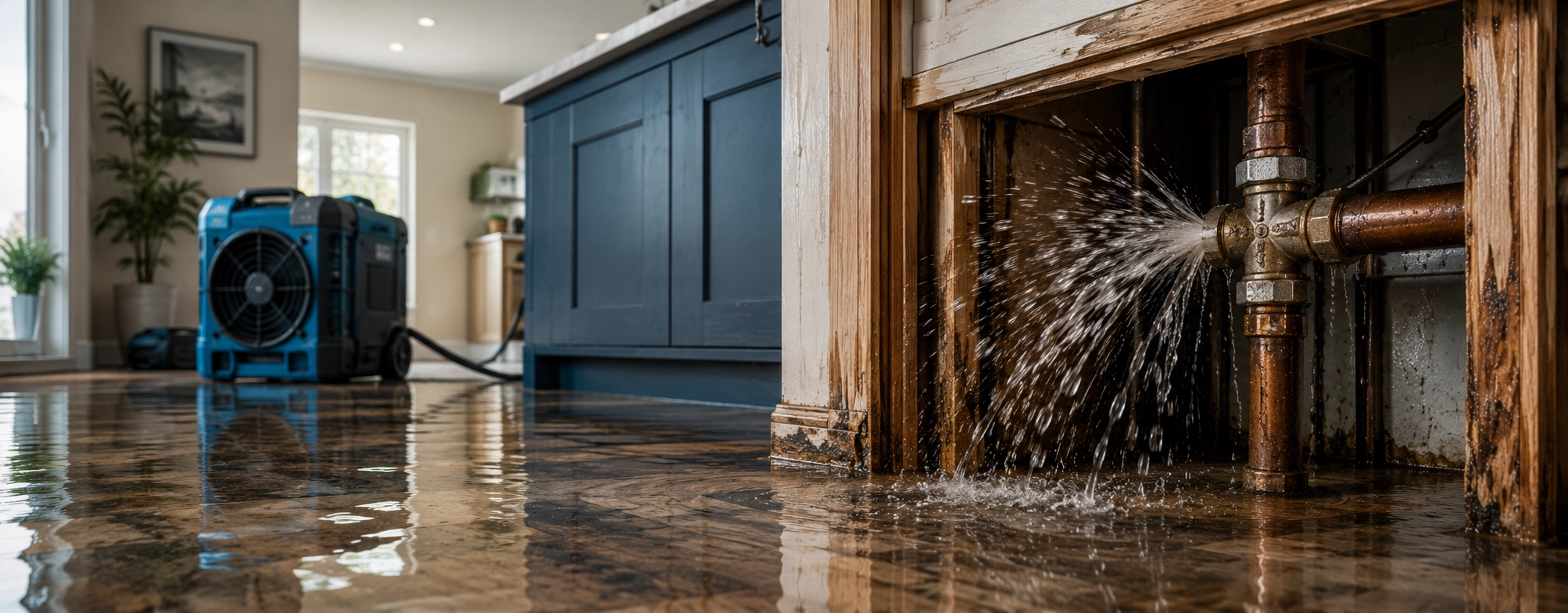
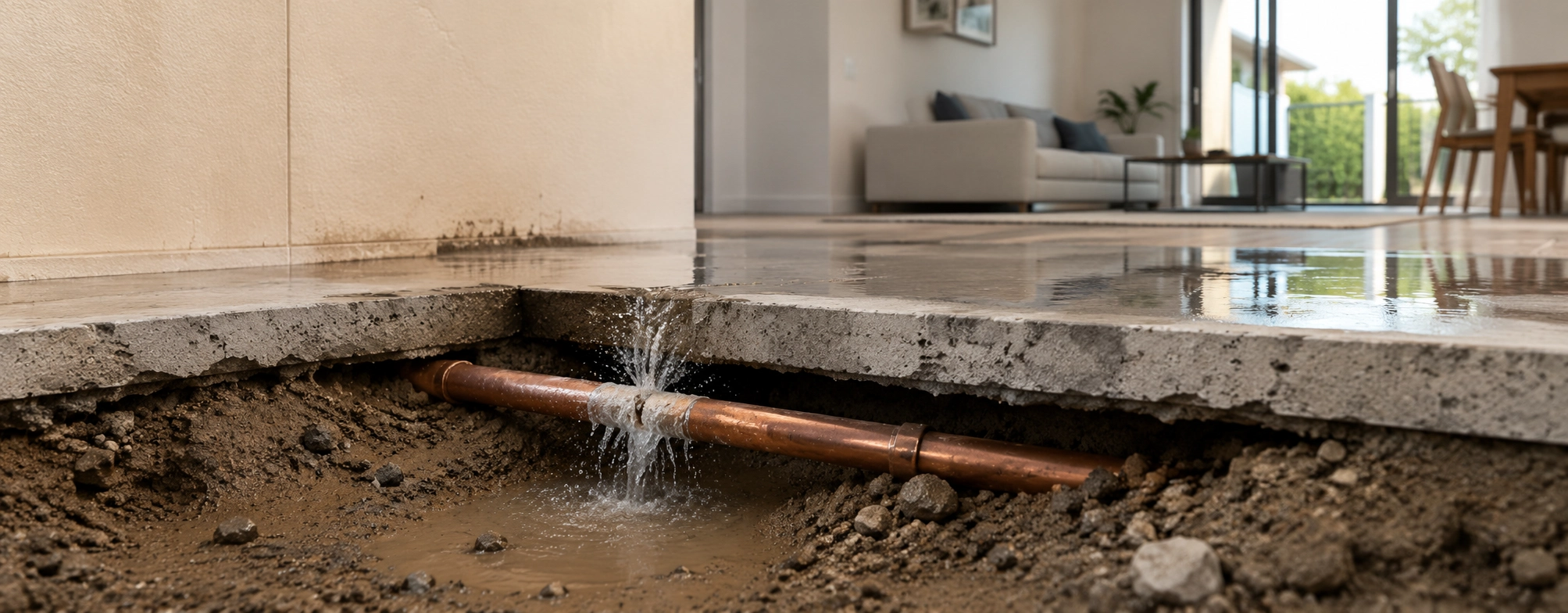
Issues like pipe bursts, leaky water heaters, drain backups, or severe clogs can cause major catastrophe in very little time. It is only a matter of time before water breaches walls, floors, and furniture, causing damage beyond what you can conceive. Because of this, knowing what to do before the emergency plumber shows up is important.
When the average homeowner is faced with a plumbing emergency, he or she is completely justified in panicking. The sight of water where it should not be is enough to cause almost anyone significant stress. If you can manage to keep your cool, the right steps will be of the utmost importance to limit the damage and save your property. The first minutes are critical, and the steps you take will be the difference between a costly renovation nightmare and an easy plumbing fix.
What Can Be Considered a Plumbing Emergency?
While not all plumbing situations warrant an emergency call, some plumbing issues should really only be handled with immediate attention. These plumbing issues can actually put your home, your health, and/or your safety in jeopardy.
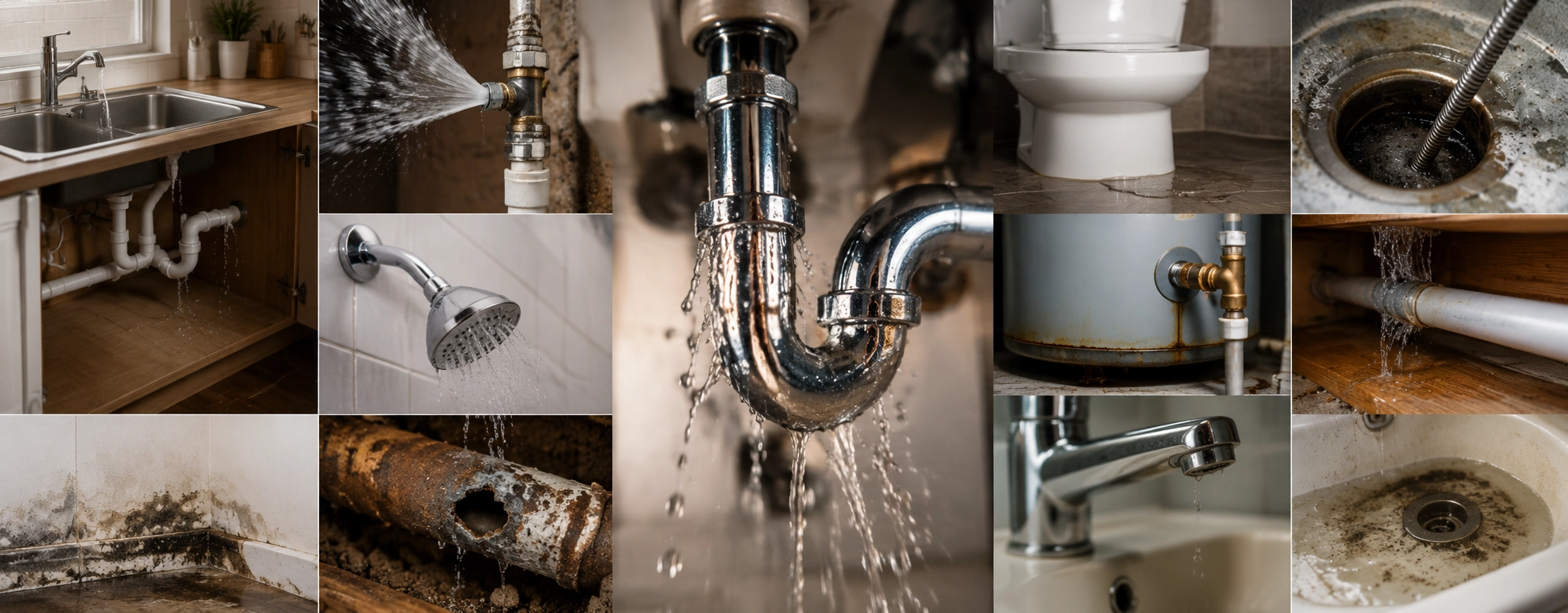
The following plumbing emergencies are among the most frequent:
- Bursts or freeze on plumbing pipes
- Toilets that overflow
- Significant leaks
- Backed up sewer lines
- Broken water heaters
- Gas line issues
- Severe clogs to drains
These situations require immediate intervention. Otherwise, they will inevitably become worse and cost even more to fix.
Why Fast Repairs Matter
Urgency when dealing with a plumbing emergency is paramount. Once water is leaking, it spreads. The more time that passes, the greater the risk for damage to the walls and floors. Electrical systems will also be at risk of water damage along with the very structure of the home.
Rapid response minimizes:
- The total damage to the property
- Cost of the repairs
- Loss of personal property
- Time before mold sets in
- The potential risk to health and safety
Of all the recommendations that professional plumbers make, shutting off the water supply is one of the most crucial. Practicing this even before help has arrived curtails further damage.
Stay Calm and Check the Situation
Easier said than done, right? Still, keeping a level head is one of the best things you can do.
Panic often leads to rushed decisions. Some homeowners try quick fixes without understanding the problem, which can sometimes make things worse. Instead, take a deep breath and assess what’s happening.
Start by asking yourself a few simple questions:
- Where is the water coming from?
- Is the leak getting worse?
- Is water near electrical outlets or appliances?
- Is there standing water on the floor?
- Are there signs of hidden leaks, like bulging walls or ceilings?
The more information you gather, the easier it will be for the plumber to understand the situation when they arrive.
Finding the Source of the Problem
You don’t need to become a plumbing expert overnight. Just look for obvious clues.
Keep an eye out for:
- Dripping or spraying pipes
- Overflowing fixtures
- Water stains
- Strange sounds inside walls
- Cracks or damaged plumbing parts
Even a basic understanding of where the problem started can help speed up the repair process.
Figure Out How Serious It Is
Some plumbing issues move slowly. Others escalate in a flash.
A small drip under a sink may not seem urgent, but a burst pipe or sewer backup is a completely different story. If water is flowing rapidly or affecting multiple areas of your home, treat it as an emergency and act immediately.
Safety should always come first.
Shut Off the Water Supply
If there’s one thing every homeowner should know, it’s how to turn off the water.
Stopping the water flow is often the most effective way to prevent further damage. After all, if water keeps pouring into your home, the problem only gets bigger.
If the issue is limited to a single fixture—such as a sink, toilet, or washing machine—you may be able to shut off the local valve. But if you’re dealing with a major leak or burst pipe, it’s best to turn off the main water supply.
Locate the Main Water Valve
The main shut-off valve is usually found:
- Near the water meter
- In a basement
- Inside a utility room
- In the garage
- Where the main water line enters the home
Turning the valve clockwise will typically stop the water flow.
Knowing the location of this valve saves time and lessens damage.
Use Fixture Shut-Off Valves
Most plumbing fixtures come with their own shut-off valve.
They are commonly located behind:
Toilets
Sinks
Washing Machines
Dishwashers
Shutting a local valve helps you minimize the problem area while water is available throughout the house.
Water Heater Shut Down Procedures
Now you know what to do if you have a leak.
If the water supply is shut off, you should also shut off the water heater to minimize the risk of the water heater overheating and causing a greater hazard.
For electric water heaters, just shut off the breaker.
For gas units, if you have the knowledge, follow the manufacturer’s instructions, and if you do not, wait for a professional.
Gas Water Heater Advice
You should never attempt to fix gas lines on your own because they are hazardous.
If you smell gas, the proper procedures are to:
- Evacuate
- Do not flip any switches
- Call the emergency number
- Call the gas company.
Electric Water Heater Advice
Leaks and lines busy with electricity do not mix.
For electric appliances, if you are ever in doubt, just let someone with the proper training handle the problem, but never approach the area yourself until the power has been shut off.
Protect Your Home and Belongings
Once you’ve stopped the water flow, it’s time to protect what’s important.
Water damage can ruin furniture, electronics, flooring, documents, and family keepsakes. Acting quickly can help save many of these items.
Move valuables away from the affected area whenever possible.
You can also use:
- Towels
- Buckets
- Mops
- Wet vacuums
- Plastic containers
The goal isn’t perfection. You’re simply trying to stop water from spreading any further.
Move Valuable Items First
Focus on items that can’t easily be replaced, such as:
- Electronics
- Important paperwork
- Family photographs
- Expensive furniture
Even lifting items off a wet floor can make a big difference.
Slow Down Water Damage
Place buckets under leaks and towels around wet areas.
Create simple barriers to keep water from moving into nearby rooms. Small actions taken early can prevent major headaches later.
Watch Out for Electrical Hazards
Water and electricity don’t play well together.
One hidden danger during a plumbing emergency is the risk of electrical shock. If water is approaching outlets, power cords, appliances, or breaker panels, proceed with extreme caution.
Never walk through standing water if electrical hazards may be present.
When Should You Turn Off the Power?
If water threatens electrical systems, shutting off electricity may be necessary.
Always put safety ahead of property concerns. If you’re not sure whether it’s safe, leave the area and call for professional assistance.
Document the Damage
This step is easy to overlook when emotions are running high.
Before cleaning up too much, take photos and videos of the damage. These records can be extremely helpful if you need to file an insurance claim later.
Capture:
- Wide shots of affected rooms
- Close-up photos of damage
- Damaged belongings
- Water leaks and affected fixtures
The more evidence you have, the easier the claims process may be.
Why Photos Matter
Pictures tell the story of what happened.
They help insurance companies understand the extent of the damage and can support your claim if questions arise later.
Avoid Common Plumbing Emergency Mistakes
When a plumbing emergency strikes, it’s tempting to try fixing everything yourself.
But sometimes, good intentions can make things worse.
Avoid using chemical drain cleaners during serious clogs. These products can damage pipes and create safety risks for plumbers working on the system.
It’s also a good idea to stop using sinks, toilets, and drains connected to the problem area until the plumber has inspected them.
DIY Repairs That Can Backfire
Temporary solutions are okay if they help control immediate damage.
Complex repairs, however, should be left to professionals. An incorrect repair can lead to bigger problems, higher costs, and even void warranties.
Get Information Ready for the Plumber
While you’re waiting, gather details about the issue.
The more information you provide, the faster the plumber can identify the cause and begin repairs.
Clear a path to the affected area, move obstacles out of the way, and keep pets secured.
Helpful Information to Share
Be prepared to provide the plumber with:
The start time of the occurrence
The specific location of the problem
If the water has been shut off
The presence of any unusual sounds or smells
What you have done
Sharing this with the plumber saves time and helps the plumber to be prepared.
Final Thoughts
Preparing for the overwhelming nature of Plumbing Emergencies is a big help. It is important to remain calm, shut off the water, protect belongings, and resist the urge to fix it yourself to help keep the situation from getting worse.
The most important thing is knowing and preparing for plumbing emergencies to help the situation from getting worse. Learn where your shut-off valves are located, keep emergency contact numbers handy, and have a plan in place.
When a plumbing emergency occurs, a calm head and quick preparation helps to turn a worse situation into a minor repair.
Frequently Asked Questions
1. Should I turn off the water immediately during a plumbing emergency?
Yes. Shutting off the water supply is usually the first and most important step because it prevents additional flooding and water damage.
2. Can I use my sinks or toilets while waiting for the plumber?
It is generally best to avoid using plumbing fixtures connected to the affected system until the problem has been inspected.
3. Do I need to turn off my water heater?
If there is a major leak or if the water supply has been shut off, turning off the water heater is often recommended to prevent damage.
4. Should I take photos of the damage?
Yes. Photos and videos can help with insurance claims and provide documentation of the incident before repairs begin.
5. What should I tell the emergency plumber when they arrive?
Explain when the problem started, what symptoms you noticed, what steps you have taken, and any relevant safety concerns.